
Paramedical Tattooing on Long Island
Restoring the look of your skin, and your confidence.
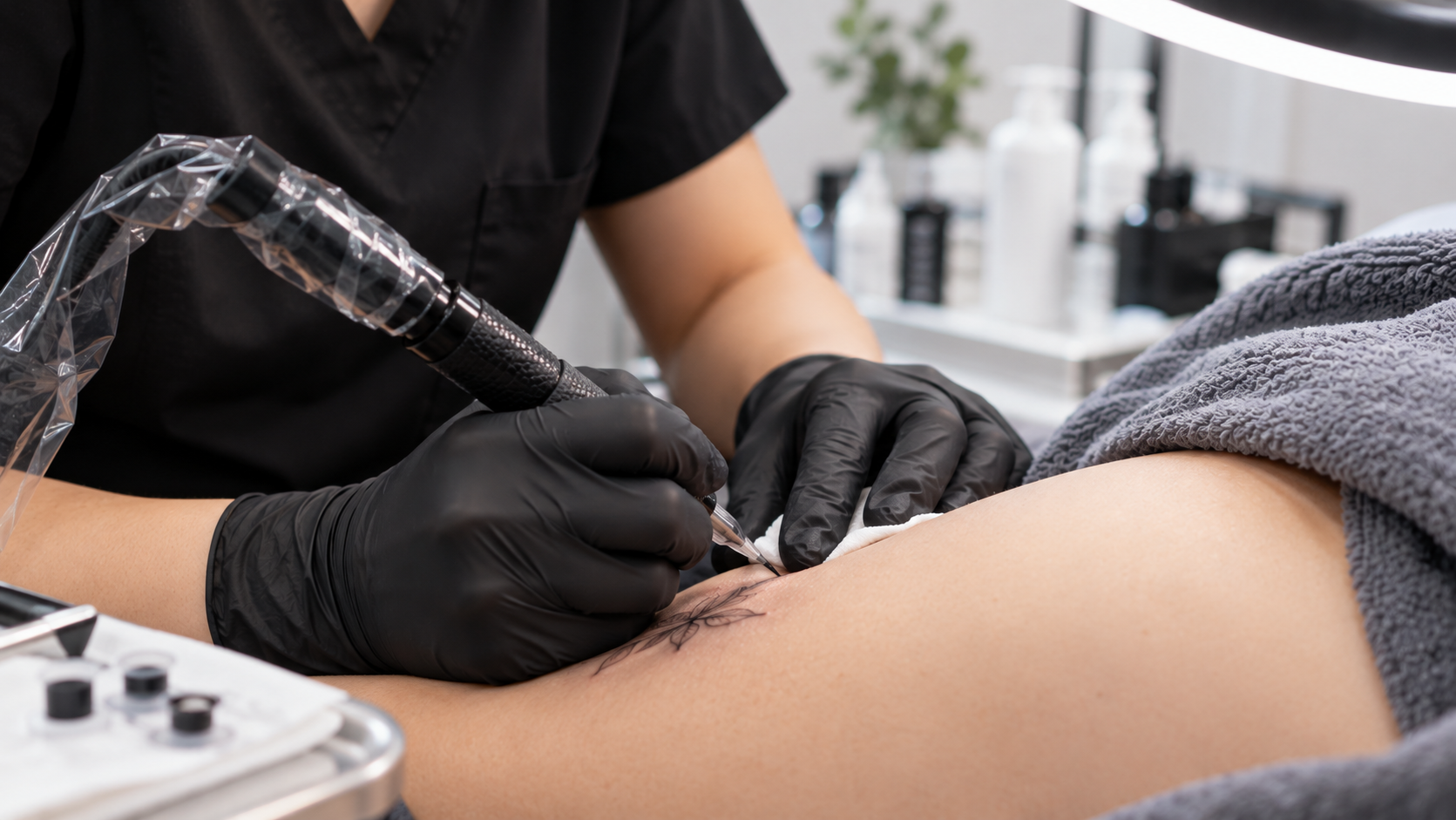
Paramedical tattooing uses specialized pigments and techniques to help improve the appearance of skin affected by surgery, injury, burns or pigmentation changes. Unlike a decorative tattoo, the goal is a natural result that blends with your own skin tone, so scars and uneven areas become less noticeable.
Every client's skin is different, and not every technique is right for every concern. That's why each treatment begins with a private, one-on-one consultation, where we look at your skin, talk through your goals, and give you an honest recommendation, including when paramedical tattooing isn't the best option.
Paramedical tattooing is available at our Ronkonkoma and Roslyn Heights locations, serving clients across Long Island, including Williston Park, Garden City and Mineola.
Request a Consultation
Tell us a little about your concern and we'll reach out to schedule your private consultation. Prefer to talk? Call 631-682-8150.
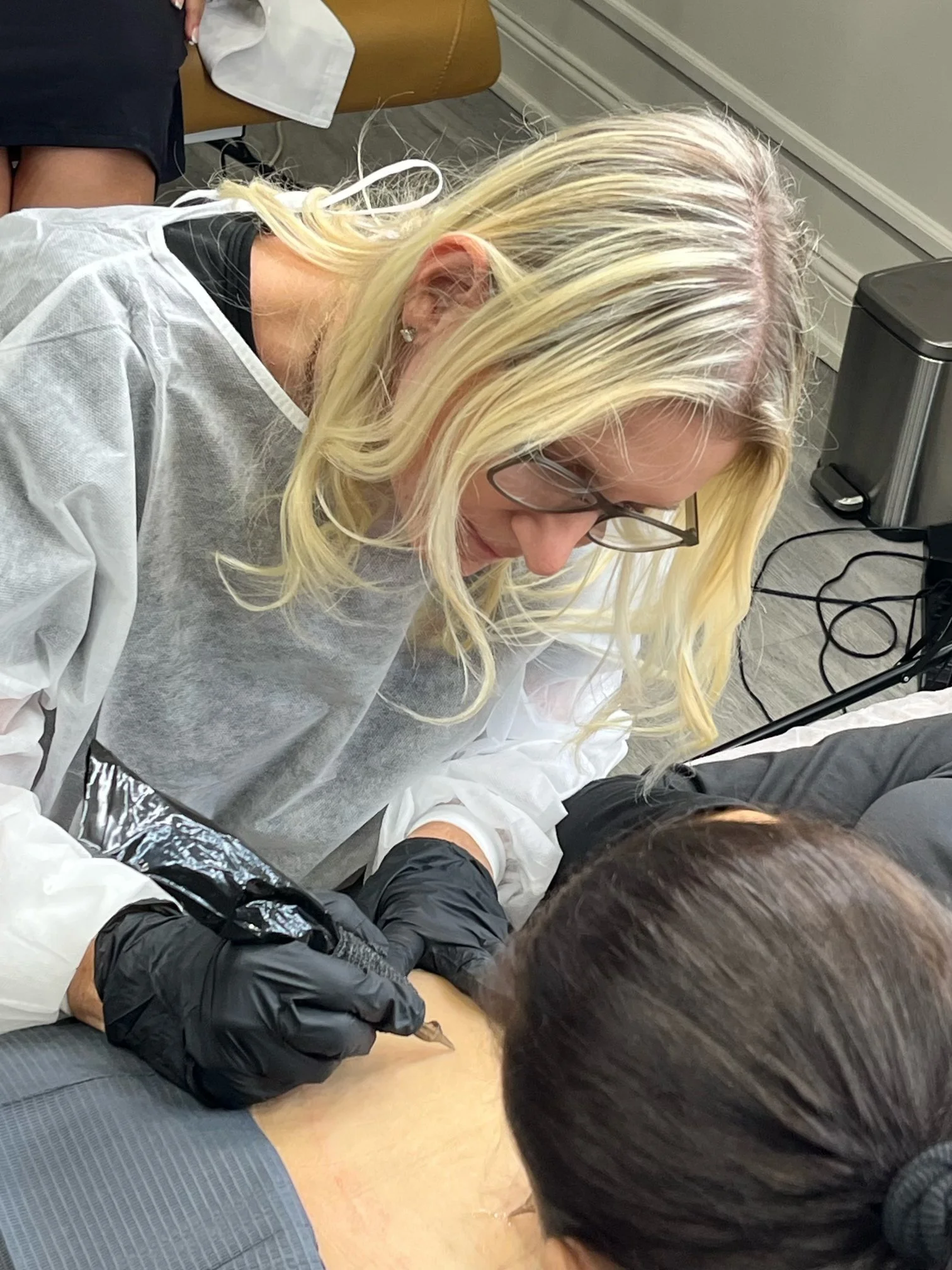
Meet your Paramedical Tattoo Artist: Rachel Dorfman
Concerns We Can Help With
The right approach depends on your skin type, the type and age of the scar or pigment change, and your health history. We'll tell you at your consultation which of these, if any, is a good fit for you.
Scar Camouflage
Scar camouflage uses pigments matched to your surrounding skin to help lighter or discolored scars blend in. It's often used for surgical scars, such as from C-sections, tummy tucks, breast surgery or facelifts, as well as scars from injuries. Scars generally need to be fully healed and settled before treatment, which can take a year or more. Raised, keloid or still-pink scars are usually not suitable.
Scar Revision
For some scars, the goal is to improve texture as well as color. Scar revision techniques work on the skin's surface to help soften the look of certain flat or slightly indented scars. Results vary with the scar type, and some scars respond better than others; we'll set realistic expectations at your consultation.
Stretch Marks
Stretch mark camouflage can help lighter, silvery stretch marks (older, mature marks) blend with surrounding skin. Newer red or purple marks are typically not ready for treatment. Several sessions are often needed, and results differ from person to person.
Burn Scars
Some healed burn scars can be camouflaged to reduce contrast with surrounding skin. Burn scars vary widely in depth and texture, so we may ask for clearance from your doctor before treatment, and some burn scars are not suitable for tattooing.
Pigmentation Concerns and Vitiligo Camouflage
For areas of lighter or uneven pigment, camouflage tattooing may help even out skin tone. For vitiligo, camouflage is generally considered only when the condition has been stable for some time, and we recommend talking with your dermatologist first. Because pigment changes can continue and tattooed skin can look different as surrounding skin changes, this isn't the right choice for everyone, and we'll discuss the long-term considerations with you openly.
Inkless Techniques
Not every concern needs pigment. Inkless techniques use the same precise tools without adding color, working to stimulate the skin's natural repair process and improve texture over time. Depending on your skin, an inkless approach may be recommended for certain stretch marks or scars, either on its own or before camouflage pigment.
Because inkless treatments rely on your skin's own response, results build gradually, usually over several sessions, and vary from person to person.
Fine Lines, Wrinkles and Skin Texture
If you're concerned about fine lines, wrinkles or uneven skin texture, we're happy to see you for a consultation. Some of these concerns may be helped by inkless techniques, while others are better addressed with a different treatment or by another provider, such as a dermatologist. We'll give you an honest assessment of what's likely to help and what isn't.
Is Paramedical Tattooing Right for You?
You may be a good candidate if your scar, stretch marks or pigment change is fully healed, stable, and lighter or different in tone than the skin around it.
Treatment may need to wait, or may not be recommended, if you:
Are pregnant or breastfeeding
Have scars that are still red, raised, or less than about a year old, or a history of keloid scarring
Have an active skin condition, infection or open wound in the area
Are undergoing chemotherapy or radiation, or have a condition that affects healing, such as uncontrolled diabetes
Take blood thinners or medications that make skin more sensitive, such as isotretinoin
If any of these apply, we may ask for clearance from your doctor. This list isn't complete; we'll review your full health history at your consultation.
Request a Consultation
Tell us a little about your concern and we'll reach out to schedule your private consultation. Prefer to talk? Call 631-682-8150.
What to Expect at Your Consultation
Conversation. We'll talk about your concern, your history with it, and what you hope to see.
Skin assessment. We'll look closely at the area, its texture and its tone, and may do a small color test.
Honest recommendation. We'll explain which technique, if any, suits your skin, how many sessions to expect, and what results are realistic.
Your plan. If you choose to go ahead, we'll schedule your first session and go over how to prepare.
Aftercare
Good aftercare helps your skin heal well and protects your results. You'll receive aftercare instructions specific to your treatment; these are the general guidelines.
For the first few days
Keep the area clean and gently pat it dry. Don't rub.
Apply only the aftercare product we recommend, in a thin layer.
Expect some redness, mild swelling or tenderness, similar to a light sunburn.
Color may look darker or brighter at first. It softens as the skin heals.
Until the area has fully healed
Don't pick, scratch or peel any flaking skin.
Avoid swimming pools, hot tubs, saunas and soaking in baths.
Avoid heavy sweating and tight clothing over the area.
Keep the area out of direct sun and tanning beds.
Avoid makeup, lotions, exfoliants and retinoids on the area unless we've approved them.
Long term
Use a broad-spectrum sunscreen on the area every day. Sun exposure can fade pigment and make treated skin look different from surrounding skin.
Many clients will need a follow-up or touch-up session about [6–8] weeks after treatment to fine-tune color.
Call us, or your doctor, right away if you notice increasing pain, spreading redness, warmth, pus, or a fever. These can be signs of infection.
Frequently Asked Questions
Does paramedical tattooing hurt? Most clients describe mild discomfort, often less than they expect. Scar tissue can feel different from regular skin. We'll talk through comfort options at your consultation.
How many sessions will I need? It depends on your skin and the concern. Many clients need [2–3] sessions spaced several weeks apart; inkless treatments often take more. We'll give you an estimate at your consultation.
How long do results last? Camouflage pigment can soften and fade over time, especially with sun exposure, so occasional touch-ups may be needed to maintain your results.
Will it make my scar or stretch marks disappear? The goal is to make them much less noticeable, not to erase them. Results vary, and we'll be honest at your consultation about what's realistic for your skin.
Is paramedical tattooing covered by insurance? Paramedical tattooing is generally not covered by insurance.
How much does it cost? Pricing depends on the size and type of area treated. We'll give you an exact quote at your consultation.
Paramedical tattooing is a cosmetic service intended to improve the appearance of skin. It is not a medical treatment and does not replace care from your physician or dermatologist. Results vary from person to person and are not guaranteed. A consultation is required before any treatment.